Do You Really Need Oral Surgery? Ask a Dentist in Jayanagar
The words “Oral Surgery” can sound more serious than they actually are. Many people immediately associate surgery with complicated procedures, long recovery periods, or significant discomfort. In reality, oral surgical care covers a wide range of procedures, from removing a troublesome wisdom tooth to treating certain conditions affecting the gums, jaw, or other structures of the mouth.
The key issue is not whether the word surgery seems intimidating but whether it is the best course of action. A Dentist in Jayanagar can examine your oral condition, identify the problem, and advise whether surgical intervention is required or if another form of treatment will suffice.
What Does Oral Surgical Care Involve?
Oral surgical care consists of procedures for diagnosing, managing or treating a dental condition that cannot be treated by conventional methods
Depending on the patient’s case, a dentist can conduct various procedures, including:
• Wisdom tooth extraction
• Removal of impacted teeth
• Management of periodontal conditions
• Elimination of oral cysts and oral abnormalities
• Surgical procedure for impacted teeth
• Treatment for certain oral injuries
• Surgery as a component of restorative or dental treatment
The nature of the treatment depends on the location and the seriousness of the patient’s condition.
When Might You Need Dental Surgery?
While there are some dental conditions that require surgery, most dental problems can be resolved with conventional treatment methods. Surgery comes into play when a particular condition cannot be successfully treated by a non-surgical procedure.
The following oral problems may necessitate oral surgical care:
- Impacted Wisdom Teeth
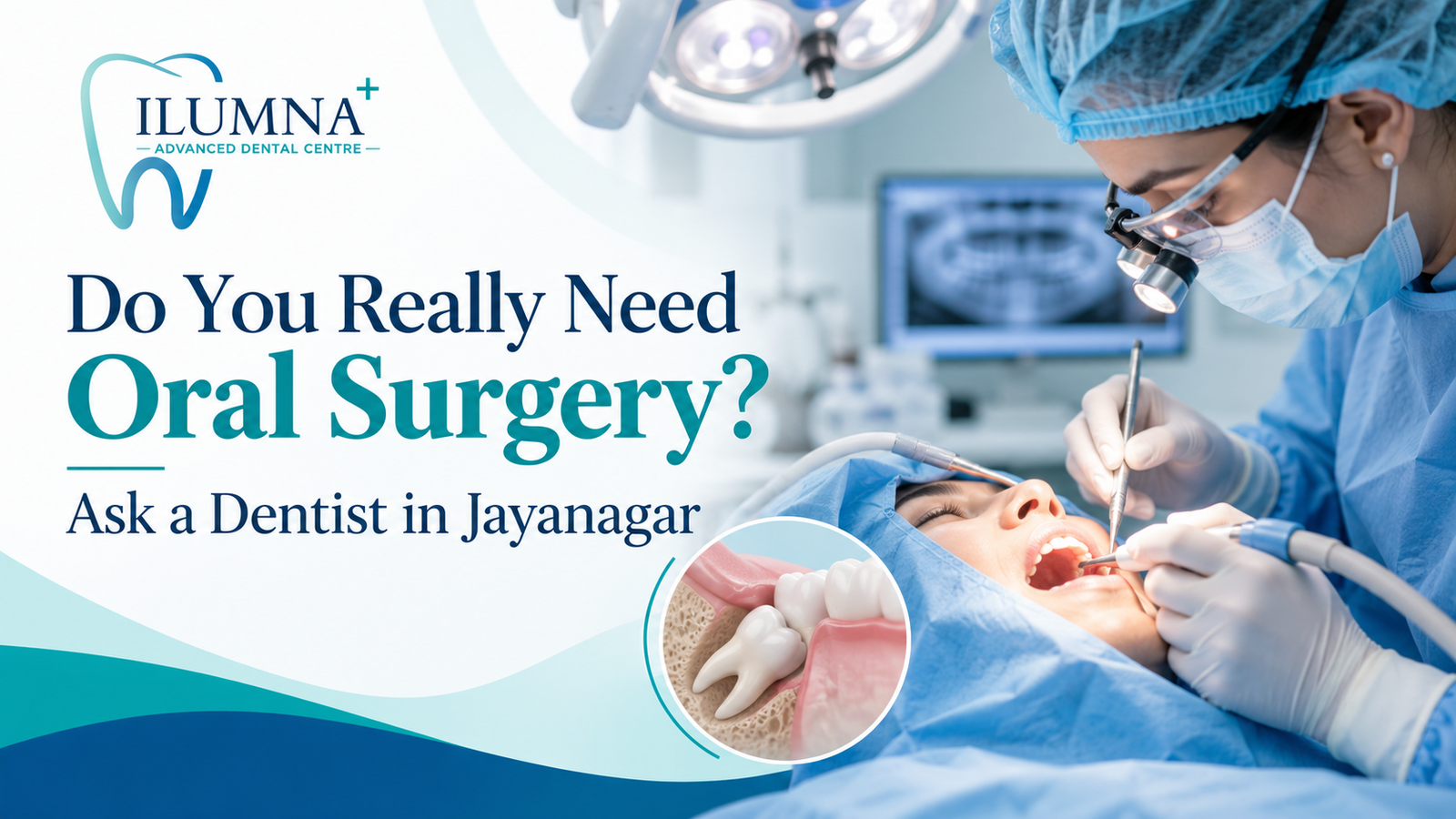
Wisdom teeth often erupt late in life, frequently causing discomfort and other issues. The space required for the wisdom tooth to erupt fully is frequently unavailable, leaving the tooth trapped within the jaw.
This can lead to a number of undesirable effects, including:
• Poor oral Health
• Periodontitis
• Constant discomfort
• Injury to adjacent teeth
• An infection around the wisdom tooth
A dentist can evaluate the situation and suggest the most appropriate line of treatment.
- A Non-Restorable Tooth
When a tooth is severely decayed or damaged beyond repair, the best course of action may be to remove it. If a conservative therapy is not an option, a dentist may recommend extraction if the structural integrity of the affected tooth and its surrounding structures allows.
- Complex Extraction
The extraction of a tooth that has been broken below the gum level or is otherwise inaccessible requires an additional surgical procedure.
- Specific Oral Conditions
A dentist may advise further tests and treatment, including the surgical removal of a benign oral lesion, if they suspect abnormal oral findings during an examination.
Do All Wisdom Teeth Require Removal?
No.
Most healthy individuals only need to have their wisdom teeth removed if the teeth are impacted, cause recurrent dental problems, or have an unfavourable prognosis.
If a wisdom tooth is not impacted, your dentist can advise you on how to care for it since it is likely to function normally.
A Dentist in Jayanagar can assess your condition to see if wisdom tooth extraction is necessary in your case.
How Does a Dentist Determine the Need For Surgery?
A dentist can recommend the appropriate therapy based on an evaluation rather than a set of symptoms.
When determining the best course of therapy, a dentist in Jayanagar will take into account the following:
• Your medical history and the nature of your condition
• The location of the affected tooth/region
• The condition of the affected gums and oral tissues
• The arrangement of the neighbouring teeth
• The severity of the condition
• Your symptoms and their duration
• If dental X-rays or other diagnostic procedures are required
This will enable the dentist to conduct a comprehensive evaluation of the situation and go over your treatment options.
What Preparations Are Made Before Oral Surgery?
Proper preparations ahead of time can streamline the process and make it much more organized.
Your dentist may go over the following points before recommending a procedure:
1. The rationale for the proposed procedure
2. The treatment’s anticipated effects
3. Diagnostic imaging if required
4. The type of anaesthesia suggested
5. Preparations to make in advance of the procedure
6. Expectations regarding the healing process
Your dentist should be aware if you are on any regular medications or if you have any existing medical conditions so that they can take them into account while determining the most appropriate course of treatment and anaesthesia.
Is Oral Surgery Painful?
Perhaps one of the most common inquiries made by patients is whether oral surgery is painful.
The degree of discomfort varies depending on the nature and complexity of the treatment. Local anaesthesia is used in a variety of dental procedures to keep the patient comfortable throughout the operation.
There may be some painful sensations following specific procedures. A dentist should be able to provide you with a comprehensive idea of what to anticipate after a certain procedure and go over any treatment recommendations.
Discuss your concerns with your dentist If you are particularly concerned about the risk of painful sensations during and after surgery.
What Can One Expect Following Oral Surgery?
The healing process varies depending on the kind of treatment administered
Your dentist may ask you to:
• Follow all post-operative instructions
• Maintain the cleanliness of the affected region
• Consume soft meals throughout the healing process
• Refrain from exerting pressure on the affected area
• Take any recommended or prescribed drug
• Attend any follow-up examinations
It is critical not to compare your experience to others since there are numerous stages in the healing process, and everyone has a unique reaction.
What Should Be Avoided Following Oral Surgery?
Your dentist will give you explicit post-operative instructions. In most cases, however, you will be asked to avoid putting excessive pressure or strain on the treated region throughout the healing process.
Depending on the procedure, you should also avoid:
• Eating hard-to-chew meals
• Touching the affected region
• Engaging in other hazardous behaviours
Always consult your dentist if you have any concerns about your healing.
When Should One Consult a Dentist After Surgery?

Following oral surgery, there may be some painful sensations. You should, however, contact your dentist if:
• The discomfort is getting more intense
• You feel more bloated
• There is continued bleeding
• Signs of infection or fever
• You are unable to open your mouth fully
• Any other concerning symptoms
They will be able to ascertain if something is going wrong during the healing process.
Can You Avoid Dental Surgery?
In some cases, it is indeed feasible to stop a dental condition from becoming worse. Once a tooth or condition reaches a certain point, however, the most effective therapy is often surgical. The most effective strategy is to get a second opinion on the nature of the condition rather than delaying treatment due to your distaste of surgery.
A Dentist in Jayanagar can go over your individual condition in detail and discuss the various treatment options open to you.
Why Choose iLUMNA Dental for Oral & Surgical Care?
At iLUMNA Dental, we believe that providing oral and surgical treatment begins with identifying the individual patient’s condition rather than pushing him or her toward surgery. Dr. Inchara Vadegadde and the oral surgeons at iLUMNA Dental will assess the affected area, take your symptoms and personal preferences into account, and go over the treatment possibilities. When it comes to surgical procedures, patients will understand why a specific course of action is being suggested and what to anticipate throughout the healing process.
If you have concerns about wisdom teeth, complicated tooth removal, or another condition, the oral surgeons at iLUMNA Dental can go over a personalized treatment strategy with you during a one-on-one consultation.
Conclusion
The mention of Oral surgery can frequently result in a mix of emotions because surgery is often associated with complicated procedures. Oral surgery, on the other hand, simply refers to a variety of treatments that are used to manage a specific condition. Whether you have an impacted wisdom tooth, a tooth that cannot be restored, or another oral condition requiring surgical intervention, the initial step is always an individual examination. If you are unsure whether you need oral surgery, a Dentist in Jayanagar can advise you on the nature of your condition as well as the available treatment options. At iLUMNA Dental, we believe in providing individualized care depending on the patient’s oral needs.