
Don’t Lose a Damaged Tooth: Root Canal Care with a Dentist in Jayanagar
Tooth pain, sensitivity, swelling or discomfort when chewing could mean that the tooth is damaged beyond the outer layer. If the inner part of the tooth is inflamed or infected, there are ways to treat it and save the tooth.
A root canal is one of the methods to treat an inflamed or infected tooth and retain the natural tooth. A Dentist in Jayanagar can advise whether you need root canal treatment and what options are available to save the tooth.
What Is Root Canal Treatment?
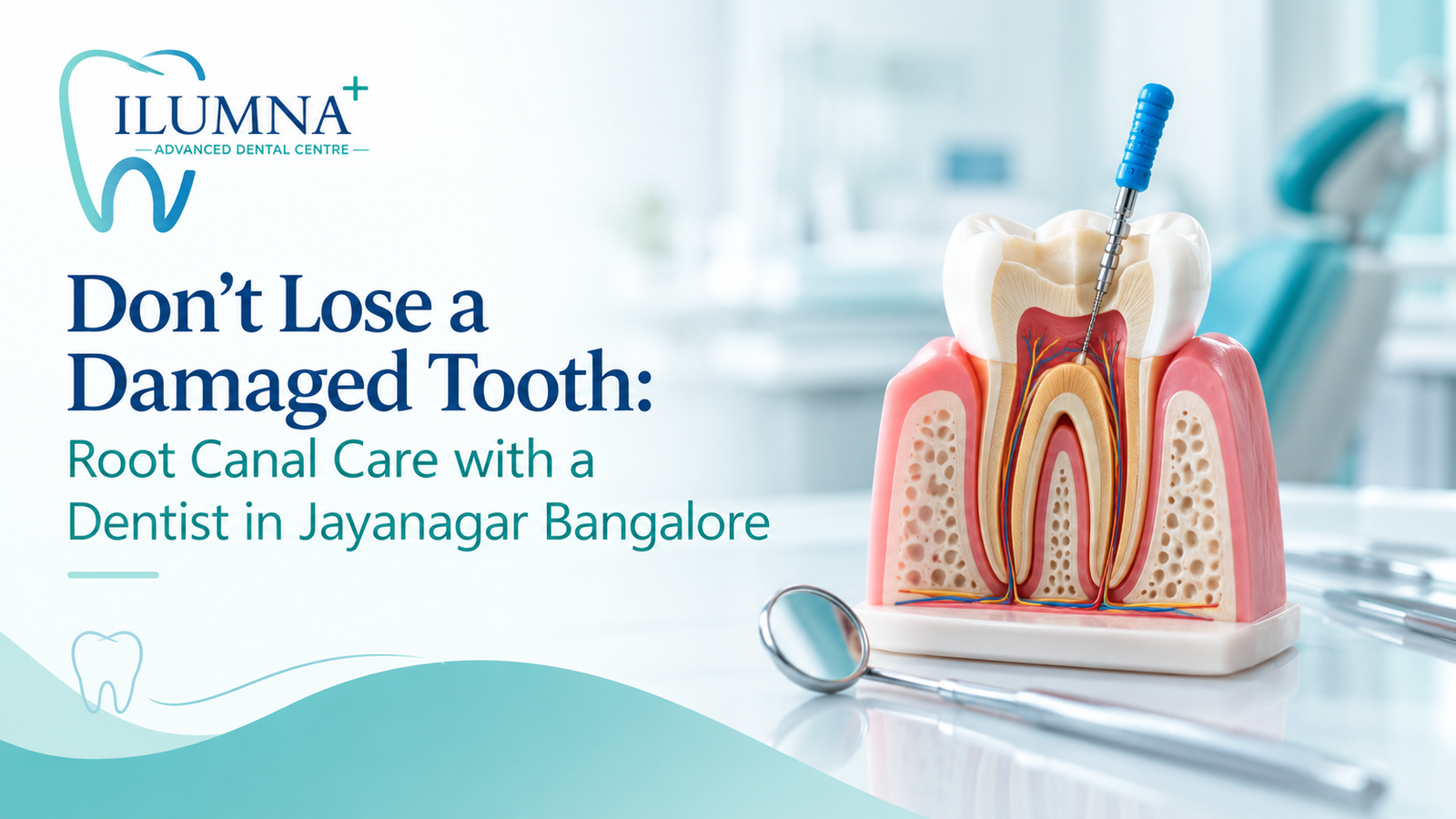
Inside the tooth, there is a soft tissue called pulp. This is where the nerve and blood vessels of the tooth are located. Root canal treatment involves removing the inflamed or infected pulp from inside the tooth, cleaning, disinfecting the root canal and sealing the empty space to prevent reinfection. The purpose of this treatment is not only to relieve pain but to save the tooth.
With proper anaesthesia and dental treatment, root canal can be done comfortably. Patients who are looking for a painless root canal in Jayanagar can talk to their dentist about their concerns.
When do I need to see a Dentist in Jayanagar for root canal?
Not all toothaches require a root canal procedure. A dentist must examine the affected tooth to determine the cause of the pain. You may need to see a dentist for root canal treatment if you have:
• Constant and severe toothache
• Prolonged sensitivity to hot or cold
• Pain when chewing or biting
• Swelling near the affected tooth
• Gum soreness near the affected tooth
• discolouration or darkened tooth
• Recurrent infection in the same tooth
• Deep cavity or severely damaged tooth
• Tooth injury or fracture
Sometimes, a tooth that has sustained serious damage from within may not exhibit any symptoms. Regular dental examinations are the best way to detect such problems, especially if you have a history of deep cavities or dental trauma.
What are the causes of root canal treatment?
There are several reasons why a person may need a root canal. Some common reasons are:
Deep Tooth Decay
If tooth decay or infection reaches the inner part of the tooth, the dentist may recommend a root canal procedure. The infection needs to be removed to prevent it from spreading to the other parts of the body.
Dental Trauma
If a person sustains a dental injury, the dentist may recommend a root canal to prevent further damage. Sometimes, the injury may damage the pulp in the tooth, even though the visible part of the tooth may not seem to be damaged.
Cracks or Fractures The dentist makes an incision in the tooth
Cracks in the tooth can expose the inner layers of the tooth. Depending on where the crack has occurred, a root canal may be recommended.
Repetitive Procedures
If the tooth has been subjected to multiple procedures, it is more likely to be damaged. In such cases too, a root canal may be needed.
A dentist in Jayanagar will evaluate the condition of the tooth and determine the course of treatment depending on the problem.
How does a dentist in Jayanagar Diagnose a tooth for Root canal Treatment?
The dentist examines the affected tooth and the surrounding area before advising a root canal procedure. The dentist will:
• Ask about your symptoms and medical history
• Examine the affected area
• Test the sensitivity of the affected tooth
• Determine if there is any discomfort when chewing or biting
• Take an x-ray of the affected area if required
The dentist will determine whether the symptoms are caused due to an inflamed or infected pulp and whether the root canal procedure can save the tooth.
What happens during a root canal procedure?
A root canal procedure is performed in several stages. The stages are:
1. Examination and Treatment Plan
The dentist examines the affected tooth and prepares a treatment plan based on the condition of the tooth.
2. Access the Tooth
The dentist makes a small opening in the tooth to access the infected pulp and roots.
3. Remove the Pulp
The infected or inflamed pulp is removed from the tooth.
4. Clean and Shape the Root canal
The roots are cleaned and shaped to prepare them to be filled.
5. Sealing the Tooth
The dentist seals the roots to prevent reinfection.
6. Restoring the Tooth
Depending on the condition and the amount of tooth remaining, a filling or a crown may be required to restore the function of the tooth.
Root Canal Treatment in Single Sitting
At iLUMNA Dental, patients who require root canals are able to complete their treatment in one appointment. In suitable patients, root canal treatment may take approximately 40 minutes, dependent upon the health of the particular tooth.
For patients looking for a painless root canal in Jayanagar, the dentist at iLUMNA Dental will assess your tooth and advise if you qualify for root canal treatment in one sitting.
Can a root canal procedure save my natural tooth?
One of the reasons why people choose a root canal procedure is to retain their natural tooth. A root canal can save the natural tooth, provided it is not too damaged beyond repair.
The dentist considers several factors before recommending a root canal procedure. The factors are:
• Amount of tooth structure that remains intact
• Health of the surrounding tissue
• Prognosis of the tooth
A dentist in Jayanagar can assess these factors to determine whether the tooth can be saved or not.
Why is a crown required after a root canal?
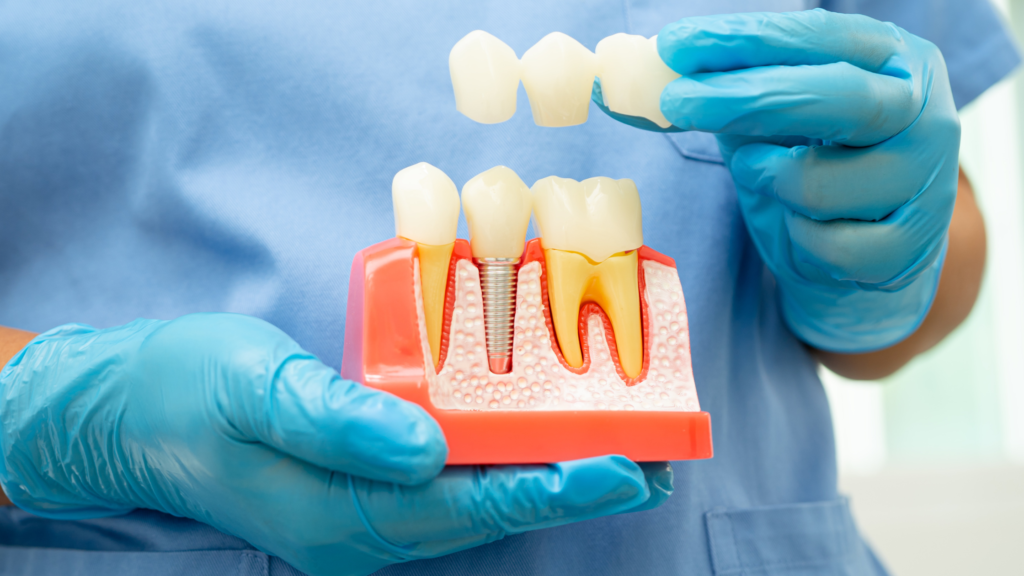
If the tooth that has undergone a root canal procedure has sustained serious damage due to decay or a fracture, it may require a crown.
It also depends on how much of the tooth remains. A dentist can advise on whether a crown is needed after a root canal procedure.
What happens if a damaged tooth is left untreated?
Leaving a damaged tooth alone will only allow the problem to progress. An infection in the tooth can spread to the surrounding tissue and might necessitate tooth extraction. Sometimes, a toothache may stop on its own, but this does not indicate that the problem has resolved. If you have any of the following conditions, you should see a dentist:
• Constant toothache
• Pain while chewing
• Increased sensitivity to hot and cold
• Swelling around a tooth
• Tooth fracture
• Deep cavity
• Tooth discoloration
• Constant discomfort in the same tooth
How Can You Care for a Tooth After Root Canal Treatment?
Following your dentist’s instructions can help protect the treated tooth and maintain your overall oral health.
The measures are:
• Brush and floss regularly
• Do not put too much pressure on the treated tooth
• Complete any recommended filling or crown restoration
• Visit the dentist for follow-up treatments
• Do not ignore any new pain, swelling or discomfort
• Visit the dentist for regular dental check-ups
Good oral hygiene is important since the root canal procedure only treats the affected tooth. The remaining teeth can still be subjected to dental caries and periodontal problems.
Why Choose iLUMNA Dental for Root Canal & Tooth Preservation?
iLUMNA Dental focuses on treating the affected tooth and saving as much of the healthy tooth structure as possible. Dr. Inchara Vadegadde and her team at iLUMNA Dental determine the extensiveness of the damage and recommend the best treatment plan. The team can advise on restoring the tooth after the treatment is complete.
If you need a painless root canal in Jayanagar to treat tooth pain, deep cavities or root canal procedure, iLUMNA Dental can help. The team will evaluate your condition and determine the best treatment option. The dentist will discuss your treatment options in detail to help you make an informed decision regarding your dental care.
Conclusion
A damaged or infected tooth does not always have to be extracted. Teeth that are salvageable can be treated with a root canal procedure to treat the infection and retain the tooth. If you are experiencing tooth pain, sensitivity, swelling or discomfort, visiting a dentist can help. A dentist in Jayanagar can help you determine the cause of your discomfort and recommend the best treatment options. If you are considering a painless root canal in Jayanagar, iLUMNA Dental will focus on treating the affected tooth and restoring it to full function.