
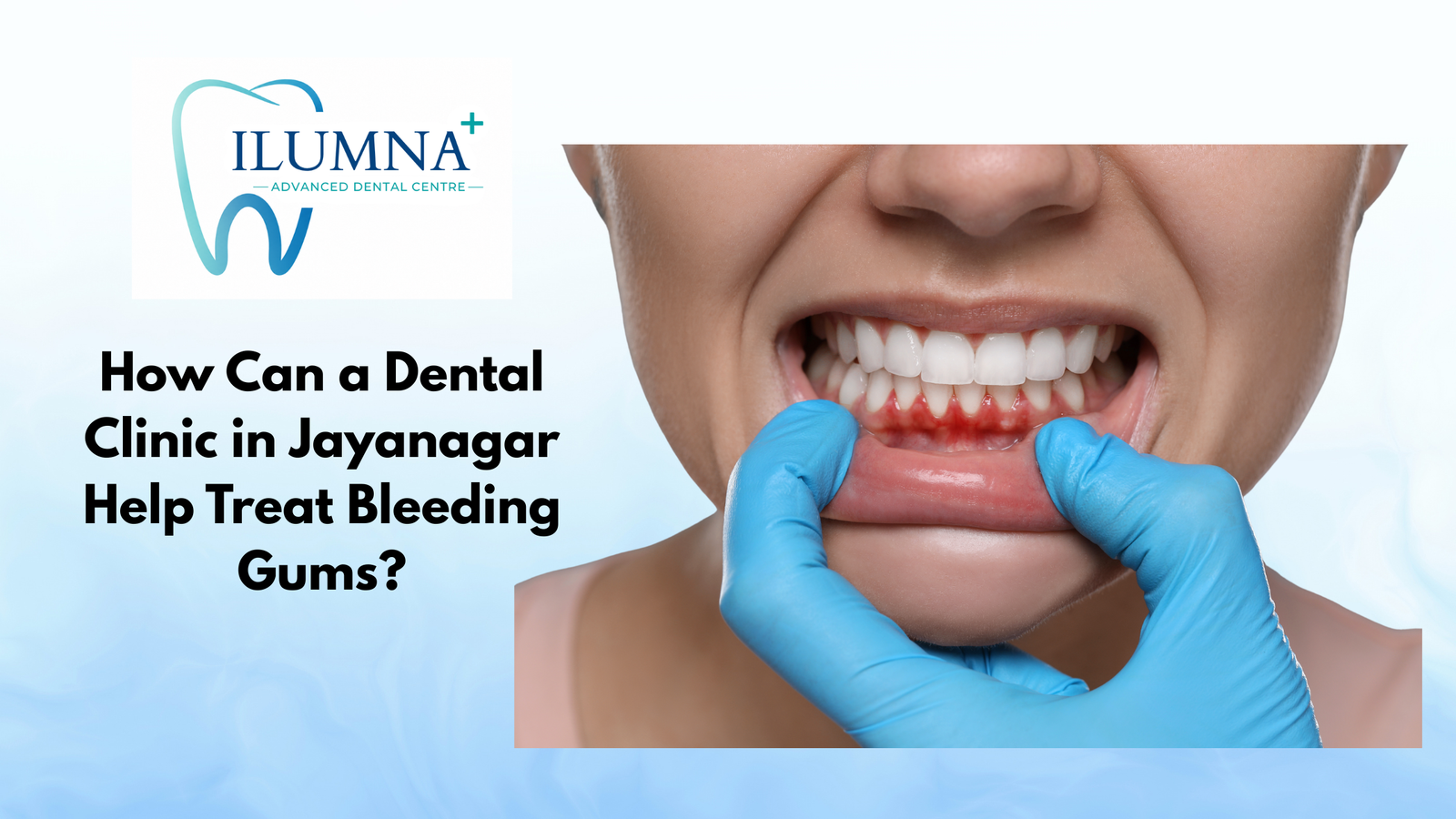
How Can a Dental Clinic in Jayanagar Help Treat Bleeding Gums?
Bleeding gums may seem like a dental concern, especially when bleeding gums happen only sometimes while brushing or flossing. When bleeding gums occur again and again it shows that bleeding gums need help from a dentist. Plaque buildup, gum inflammation brushing hard and gum disease are common reasons bleeding gums happen.
If you see blood often while brushing, flossing or eating going to Dental Clinic in Jayanagar can help find the reason instead of just treating the visible sign. A dentist can check bleeding gums look at your mouth health and suggest treatment that fits the state of your teeth and bleeding gums.
Why Do Gums Bleed? A Dental Clinic in Jayanagar Explains
Gums normally do not bleed when you brush or floss. When bleeding gums happen often it may mean inflammation or irritation near the teeth.
One of the reasons is plaque. Plaque is a film of bacteria that builds on teeth when you do not clean well. If plaque is not taken away properly it can irritate gums. Add to inflammation.
Other possible causes include:
- Gingivitis or early gum inflammation
- Periodontitis or advanced gum disease
- Excessive brushing pressure
- Improper flossing technique
- Tartar buildup
- Food particles trapped around the gums
- Oral hygiene
- Certain lifestyle or health‑related factors
You cannot always know the reason just by seeing blood. A dentist visit is helpful when bleeding gums become common or when other signs appear.
When Should You Visit a Dental Clinic in Jayanagar for Bleeding Gums?
Bleeding gums once in a while after hard brushing can happen because of irritation. But if bleeding gums keep happening or you do not know why it needs attention.
Consider scheduling a consultation if you notice:
- Bleeding gums repeatedly while brushing
- Swollen or red gums
- Tenderness around the gums
- Persistent bad breath
- Gum recession
- Teeth that feel loose
- Pus around the gums
- Pain while chewing
- Increased sensitivity around the gumline
Early checkups can help spot gum problems before they get harder to fix.
How Does a Dental Clinic in Jayanagar Diagnose Bleeding Gums?
The first step is to find out why bleeding gums happen. At your visit the dentist will look at your teeth. Bleeding gums and ask you about how you clean your mouth and your symptoms.
Dental and Gum Examination
The dentist looks at the look of bleeding gums for signs like redness, swelling, tenderness, receding gums or more bleeding. The dentist also checks teeth for plaque, tartar, cavities and other problems.
Checking for Plaque and Tartar
Plaque can usually be taken away with brushing and flossing. Hardened plaque, called tartar or calculus cannot usually be removed with a toothbrush.
If a lot of tartar is around teeth or the gum line a professional cleaning might be suggested.
Assessing Gum Health
A dentist may look at the spaces between teeth to see how the gum tissue is and decide if the problem stays with bleeding gums or has moved deeper into the bone that holds teeth.
Dental X‑Rays When Required
If there are worries about bone loss or serious gum disease the dentist may suggest X‑rays. X‑rays can give details that a normal look cannot show.
Can Professional Dental Cleaning Help Bleeding Gums?
For people who have plaque and tartar a professional cleaning can be a part of fixing bleeding gums.
A professional cleaning takes away deposits from spots that’re hard to clean at home. After plaque and tartar are gone bleeding gums can heal if you keep cleaning habits.
Depending on how bleeding gums look the dentist may suggest a cleaning or a deeper cleaning.
Cleaning alone may not be enough if gum disease has gone far. The right treatment depends on how bad bleeding gumsre what is causing them.
How Is Gingivitis Treated at a Dental Clinic, in Jayanagar?
Gingivitis is a stage of gum inflammation that can arise when plaque and bacteria stay around and under the gum line. Tartar that you can see on the teeth can irritate the gums. Subgingival deposits—tough spots that lie below the gum line are especially important when the gums bleed or stay inflamed. Those subgingival deposits are hard to spot with the eye and cannot be taken away by regular brushing or flossing.
When I treat gingivitis at a clinic in Jayanagar I first look for the root cause of the gum inflammation and check the health of the gums. Depending on how severe the gingivitis a periodontics‑focused plan may include:
- Professional dental cleaning to take away plaque and deposits that regular brushing cannot remove
- Deep cleaning below the gum line when subgingival deposits are present
- Guidance on how to brush, floss and clean between teeth correctly
- Personalised oral hygiene tips to control plaque buildup
- Regular periodontal check‑ups and follow‑ups to keep an eye, on gum health
If gingivitis becomes more advanced or does not improve with routine cleaning a periodontist might suggest specialised treatment. The treatment could involve laser gum procedures, invasive gum surgery, microsurgery or procedures that add hard and soft tissue.
Since subgingival deposits cannot be cleaned at home if you keep seeing bleeding, swelling, tenderness or changes in your gums you should have a dentist or periodontist look at it. Early assessment and proper periodontal care can reduce inflammation. Stop gingivitis from moving into more serious stages.
What Happens If Bleeding Gums Are Caused by Gum Disease?
If gum disease has moved past the stage you may need more than a simple cleaning.
Periodontitis can damage the tissues and bone that hold the teeth. Depending on how bad it’s your dentist might suggest a deep cleaning, better daily care, regular check‑ups or a referral to a specialist if needed.
The aim is to stop the infection and swelling keep the tooth supports and protect your mouth in the long run.
Can Your Brushing Technique Cause Gum Bleeding?

Yes. Brushing harder does not mean you clean better.
Using much force or a hard‑bristled brush can hurt the gums. A dentist at a clinic in Jayanagar can look at how you brush and show you the right way.
A soft‑bristled brush and gentle strokes are best to keep the gum line without making it sore.
Flossing also needs care. If you are new to flossing a little bleeding may happen when the gums are inflamed. If bleeding keeps happening you should talk to a dental professional.
How Can You Prevent Bleeding Gums After Treatment?
Taking care of the root cause is part of keeping gums healthy. Your everyday mouth care matters a lot to stop the problem from coming
Brush Twice a Day
Brush your teeth twice a day with a brush and fluoride paste. Watch the gum line carefully. Do not press too hard.
Clean Between Your Teeth
Food and plaque can still stay between teeth after brushing. Floss, interdental brushes or another method your dentist recommends can clear those spots.
Limit Frequent Sugary Foods
Eating foods and drinks often can build plaque and raise the chance of tooth decay, which can make overall mouth health worse.
Attend Dental Checkups
Regular visits let your dentist see your teeth and gums and spot problems before they get worse
Why Choose a Dental Clinic in Jayanagar for Gum Care?
Bleeding gums can come from sources so you need a proper dental check rather than a quick fix.
At iLUMNA Dental | Dr. Inchara Vadegadde , patients can get a full check of their teeth and gums and talk about treatment that fits their own mouth needs.
A professional talk can help find out if bleeding comes from plaque, gingivitis, issues, brushing habits or another dental problem.
Conclusion
Bleeding gums should not always be taken for a part of brushing. If bleeding shows up again and again it could mean swelling, plaque, tartar or a deeper gum problem.
A iLUMNA Dental dental clinic in Jayanagar can find out why bleeding gums happen. Suggest proper care from a clean and better daily care, to periodontal treatment if needed.
If bleeding gums bleed often or you feel swelling, soreness, bad breath, gum recession or other signs think about getting a check. Early care can keep bleeding gums safe. Give you healthier teeth for years.